


Production
Warehousing
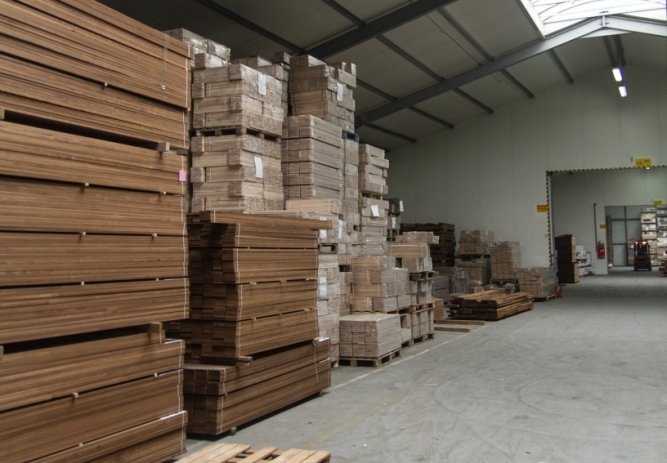
Storing materials and proper seasoning are among the most important factors influencing the quality of the raw material. The stored materials are kept in warehouses where a constant and unchanging temperature, as well as humidity, are maintained. The seasoning time for some types of wood can be up to 12 months. Wood, after the drying and seasoning process is completed, should have a moisture content in the range of 7% - 11%. This prepared raw material is then sent for production where it undergoes processing and shaping.
Preprocessing of materials
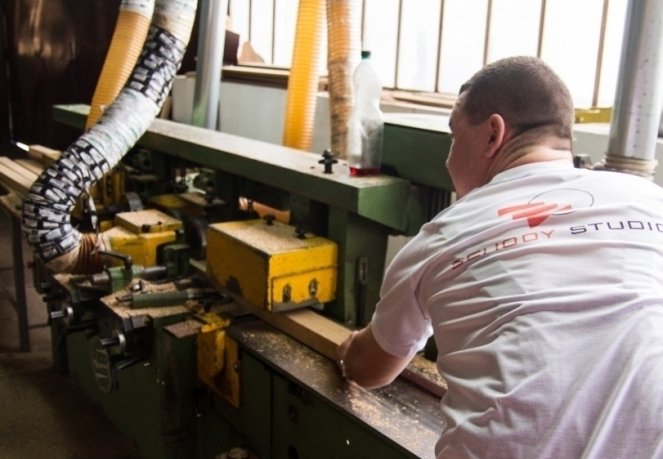
The first step in material processing is to format the elements and give them the same dimension. The machine mills the material simultaneously from four sides, significantly improving and speeding up the work, while eliminating errors that could occur with single-sided planing. These pre-processed elements of varying lengths are then sent to the production hall.
Material selection
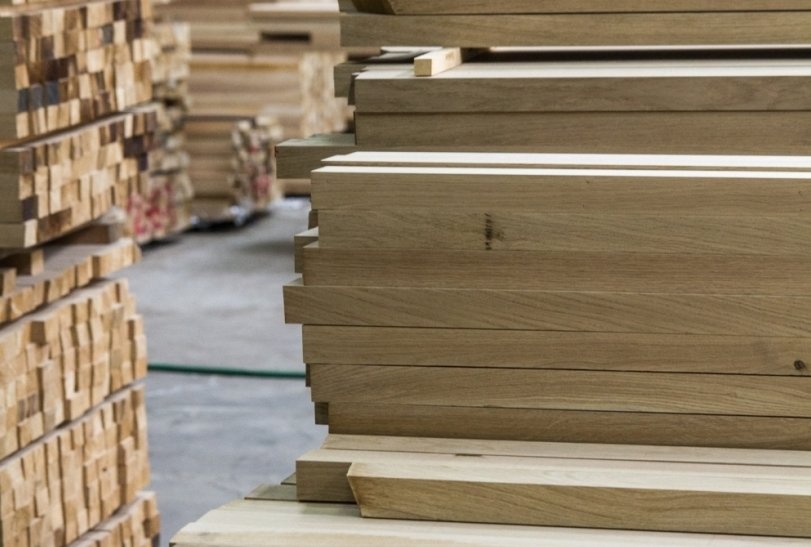
The second step is the segregation of elements, initially dividing them by selecting appropriate lengths, then sorting them into classes, depending on their purpose or the specifications of the order.
Selection of elements
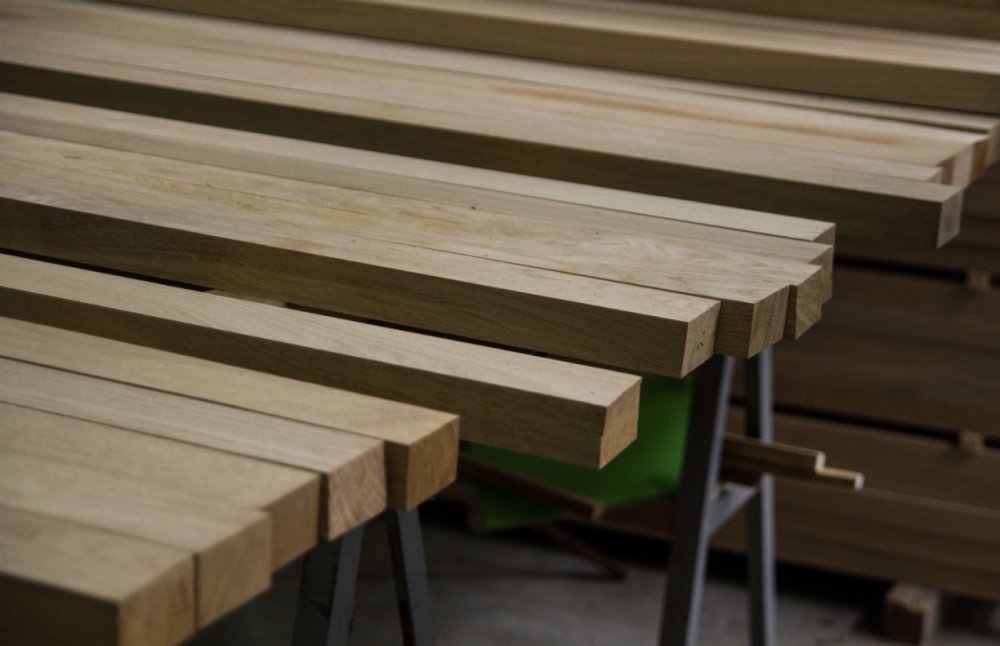
The third step of production is the proper selection of elements. Processed and pre-prepared materials are now matched in terms of grain pattern. Each of them, as a natural raw material, has a unique grain pattern. This is one of the most important stages of production, as it determines how the finished insoles will look.
The combination of elements
The fourth step is gluing the selected elements. This process is divided into several stages. The first one is arranging them in the correct order and applying a layer of specialized glue with suitable properties using a brush.
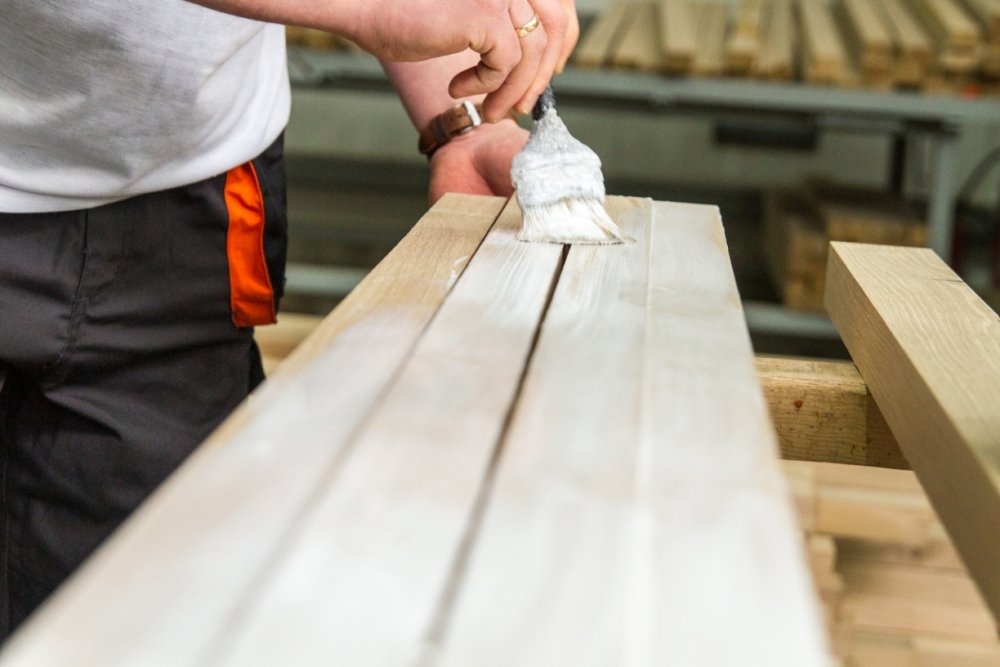
Gluing the frame pieces
Next, we place the previously prepared elements in the trapezoidal press, designed for gluing wood. The material is once again arranged and adjusted layer by layer. A "V" shaped pattern was previously marked on the wood, making it easier to determine the position of the elements now.
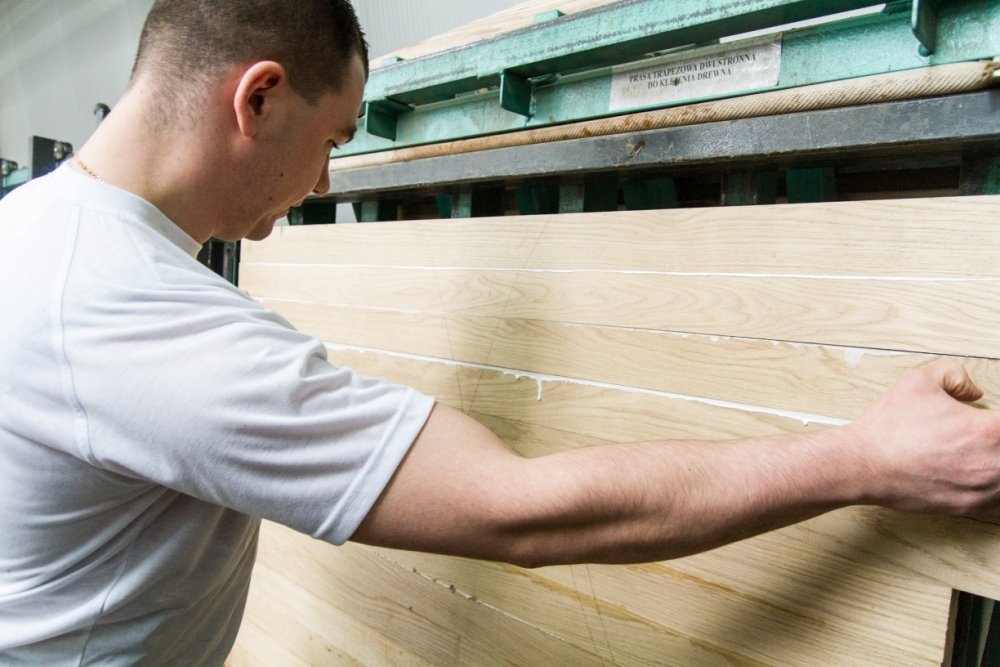
After the initial glue binding, the panels are transferred to an automatic press. Freshly glued elements cannot be immediately placed in the press as there is a risk of individual lamellae shifting.
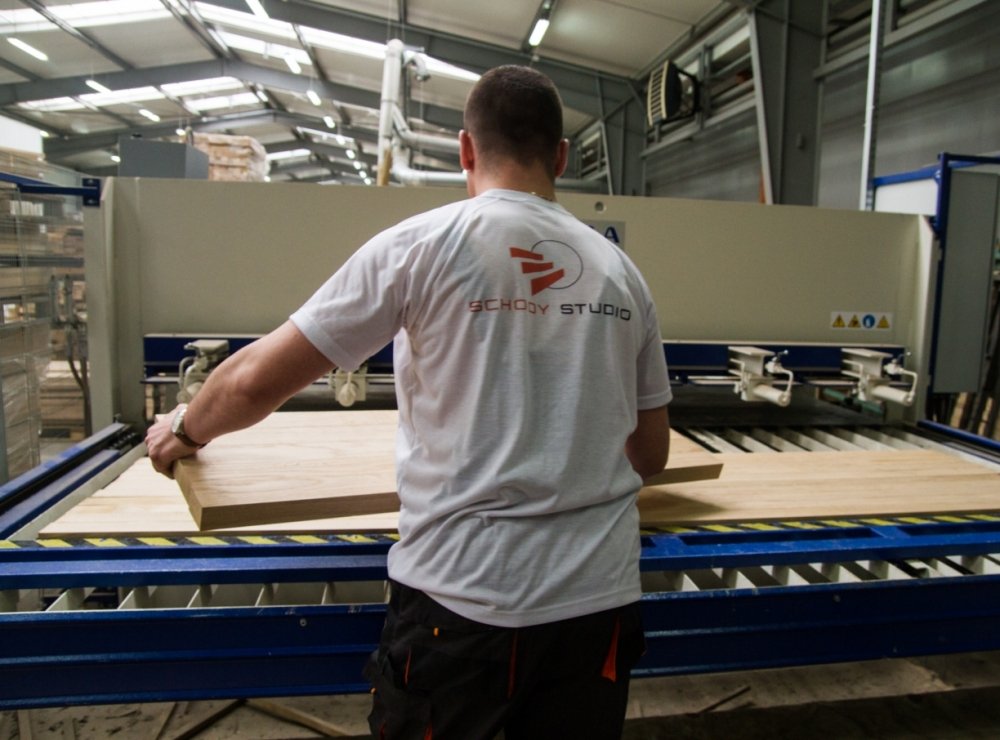
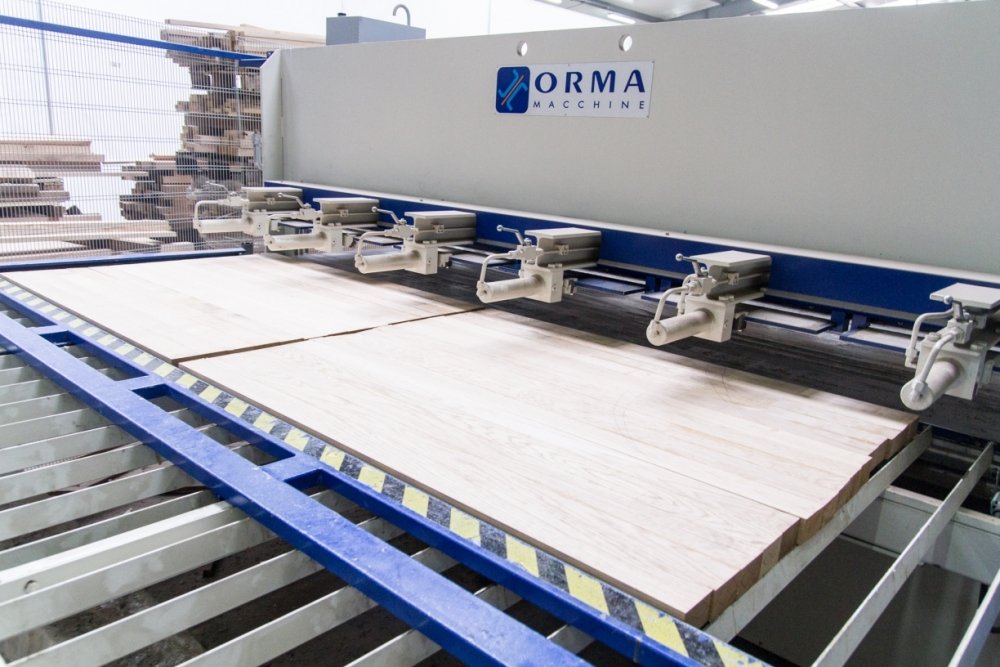
The pressurized branches featured in the press are subjected to a pressure of several dozen tons and a temperature of 60°C. During this time, the adhesive fully cures and completely evaporates. At the same time, the joint between individual lamellas is checked.
Milling dovetails
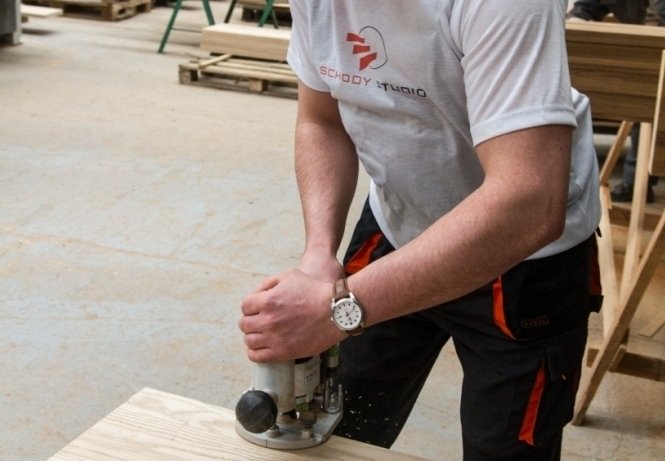
The fifth step is milling the rails and giving them the appropriate shapes. The prepared rails are then sent to the carpentry workshop, where they are manually milled and rounded using specialized equipment on the edges and corners of the steps.
Formatting footnotes
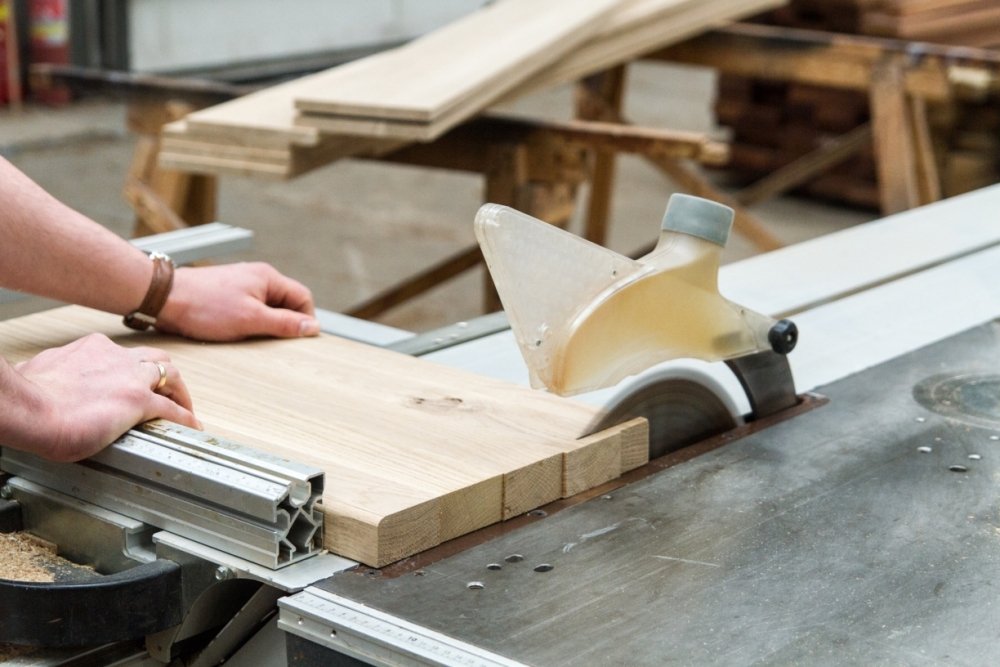
The sixth step is cutting the treads to the appropriate size. The treads are cut to individual orders using a mechanical saw. Cutting these elements requires great precision, as the sawdust itself, or the thickness of the cut, is just under 3mm.
Machine grinding
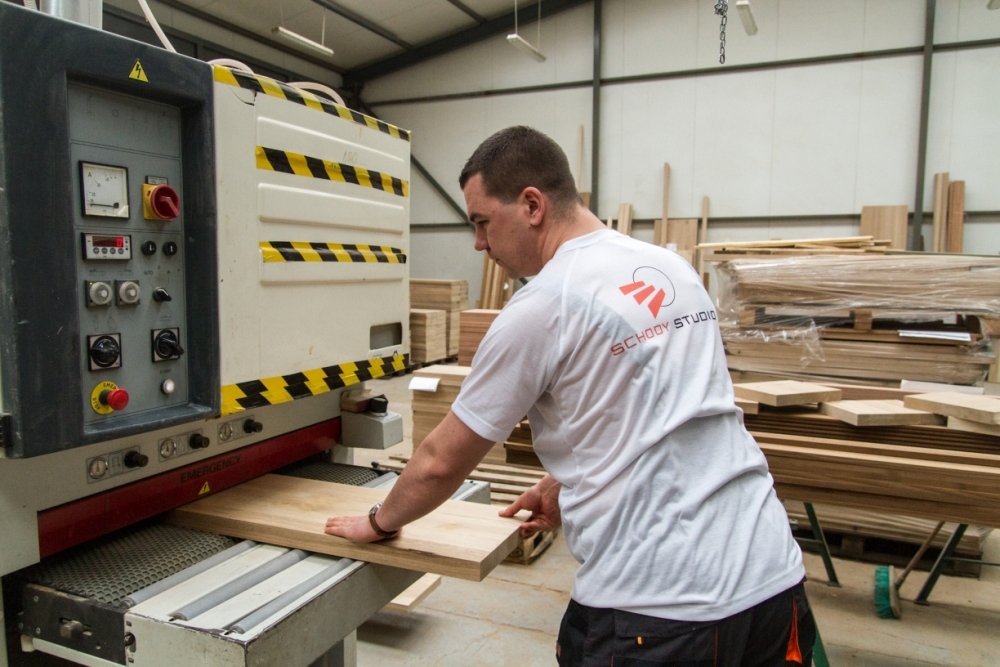
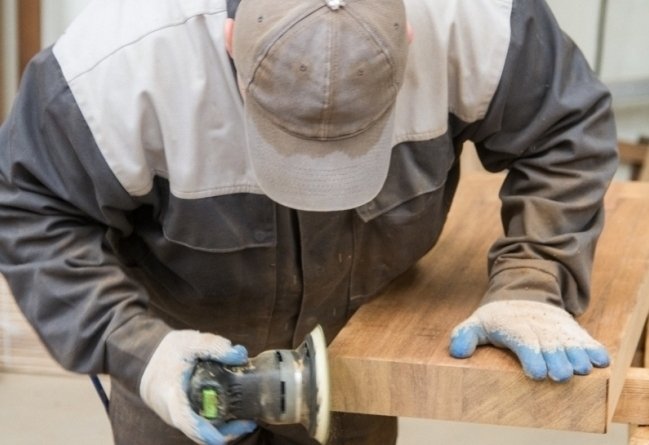
The seventh stage is grinding the treads. During this process, any unevenness that occurred in the entire process of gluing the stairs is leveled, and they are given a velvety smoothness. Any dirt that occurred during production is also removed.
Hand sanding
Quality control
The last step is quality control. The finished stair treads are checked for quality, visual appeal, and aesthetics, with each step individually subject to rigorous criteria. The color of the element, the selection of grain pattern, the quality of the rounding, and most importantly, the dimensions of each element are verified. The prepared material is then sent to the project site, where the best professionals from SCHODY STUDIO company perform a comprehensive installation in a professional manner!